
Coal vs Biomass Boilers for Continuous Industrial Loads
Fuel & Savings · 5 min read ·
The short answer
Coal offers steadier year-round supply; biomass offers local sourcing and an easier sustainability story but varies with moisture and season. Since chain-grate boilers like the SZL can burn both, the practical answer for continuous loads is often to specify for both fuels and let delivered prices and supply security decide.
If your plant steams around the clock — a feed mill, a paper line, a chemical process — the boiler is not an accessory; it is the heartbeat of production. For continuous loads, solid fuel usually wins the operating-cost argument, and the real question becomes: coal or biomass?
The good news is that this is less a fork in the road than a choice of what to feed the grate. Both fuels burn on the same chain-grate platform, and the decision comes down to supply security, fuel quality, ash, and how your customers view your energy source.
same platform, different fuel
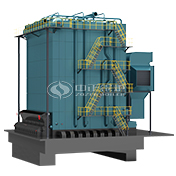
Chain-grate boilers like the SZL series (roughly 6 to 35 t/h) are built to burn either coal or biomass — rice hull, wood chips, coconut shell, bagasse. The smaller DZL series (roughly 2 to 10 t/h) covers the same fuels at lower capacities, and corner-tube DHL units extend solid-fuel firing to roughly 20 to 75 t/h.
That shared platform is worth more than it first appears: a plant that starts on coal can shift toward biomass later, or blend, without replacing the boiler. Fuel flexibility is insurance against a price or supply shock in either market.
fuel supply security
Coal's strength is consistency: it is a traded commodity, storable in quantity, and not tied to harvest seasons. Biomass supply is local and often seasonal — bagasse follows the sugar crop, hull follows the palay harvest.
For a continuous load, ask the uncomfortable question: can this fuel arrive reliably every week of the year, including the lean months? If the honest answer for your preferred biomass is no, either contract multiple biomass sources, hold larger stock, or keep coal capability in reserve.
moisture and quality variation
Coal is comparatively uniform; biomass varies. Moisture content swings with weather and storage, and as a rule of thumb wet fuel spends part of its combustion heat evaporating its own water before it contributes anything to your steam.
A chain grate tolerates this variation better than most designs, but operations still feel it: covered, dry fuel storage becomes important, feed rates need more adjustment, and steam output wants closer watching when fuel quality dips. Continuous plants should budget operator attention accordingly.
ash and emissions expectations
Both fuels leave ash, so both need a planned ash-handling routine — the chain grate discharges it continuously, but somebody still has to take it somewhere. Ash character differs by fuel, so plan the removal path for the fuel you actually intend to burn.
Emissions expectations are increasingly commercial, not just regulatory. Export-oriented food processors and suppliers to multinationals are asked about their energy sources more often than they used to be, and biomass — locally sourced and renewable — is generally the easier story to tell. Weigh that against your supply-security answer rather than treating either as absolute.
how to decide for your plant
Price both fuels delivered to your gate, per tonne of steam rather than per kilo, using your own numbers — both typically undercut diesel firing, but the gap between coal and biomass is entirely local. Then score supply security honestly, and check your site for fuel storage and ash space.
Where the answers conflict, the same-platform flexibility of a chain-grate unit is the tiebreaker: specify for both fuels and let delivered prices decide month to month. Zozen's products catalog covers the SZL, DZL, and DHL ranges, and the 3D boiler builder on the site is a useful way to see how a chain-grate unit is put together before you ever talk sizing.
Quick questions
Can the same boiler burn both coal and biomass?
Yes. Chain-grate boilers such as the SZL series (roughly 6 to 35 t/h) are designed to burn coal or biomass — rice hull, wood chips, coconut shell, bagasse — on the same moving grate. That flexibility lets a plant blend fuels or shift between them as prices and supply change, without replacing the boiler.
Is coal or biomass cheaper for making steam?
It is local. Both typically cost less per tonne of steam than diesel firing, but the gap between coal and biomass depends on delivered prices at your plant — biomass can be very economical near the mills that produce it, while coal follows the commodity market. Compare both at your gate, per tonne of steam, using your own figures.
Which is more reliable for a 24/7 steam load?
On supply, coal is generally steadier: it is storable in quantity and not seasonal, while biomass follows harvests and local processing, so continuous plants burning biomass usually contract multiple sources or hold larger stock. At the machine level both run on the same chain-grate platform, so reliability comes down to maintenance and feedwater treatment, not fuel choice.
Talk this through with an engineer
Tell us your process and fuel — we'll reply within one business day.