Steam in Philippine Food Manufacturing: Cooking, Retorts and CIP
Industry Guides · 6 min read ·
The short answer
In Philippine food plants, steam drives cooking, retort sterilization, CIP washdowns, and drying — loads that spike hard when retorts start together. Fire-tube boilers with large water volume buffer those spikes, and N+1 redundancy keeps lines running through breakdowns and the annual inspection DOLE Rule 1160 generally requires. Where by-products like rice hull or bagasse exist on site, biomass can carry the base load at typically lower fuel cost than diesel.
When a bank of retorts opens its steam valves, the demand on your boiler house can double in seconds. If pressure sags, sterilization cycles stretch, batches queue, and the packing line waits. In our experience, food factories are the most demanding steam users around — and food manufacturing is the most active boiler sector in the Philippines.
That demand profile is worth understanding before you size, buy, or replace anything. Where the steam goes, and how suddenly it goes there, decides what kind of boiler plant you need.
where the steam actually goes
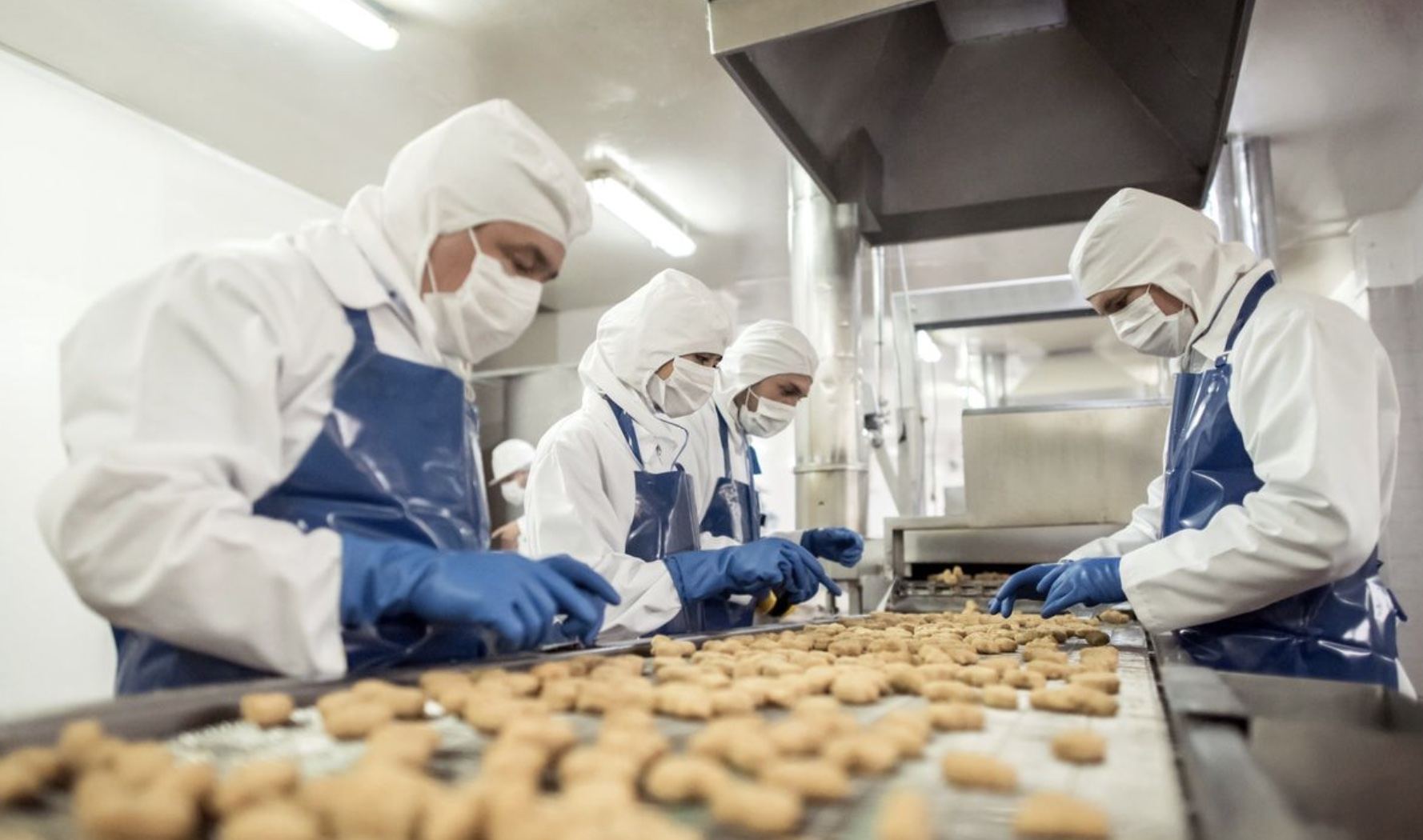
Most food plants use steam in four places. Cooking comes first: jacketed kettles, blanchers, and cook tanks draw steady process steam through the shift. Sterilizing is second: retorts and autoclaves take large slugs of steam at the start of every cycle to bring cold product up to temperature.
Then there is cleaning. CIP — clean-in-place — systems and end-of-shift washdowns need hot water and steam, usually all at once, right when production thinks the day is over. Drying rounds out the list: spray dryers and dehydrators on agri-processing lines are often the single largest continuous load in the plant.
why food steam demand is so spiky
A retort loaded with cold cans can pull several times its average steam rate in the first minutes of a cycle. Start two or three retorts together and the spike is dramatic. A boiler chosen only for the average load will see pressure collapse exactly when the process can least tolerate it.
This is where fire-tube boilers earn their keep. A three-pass wet-back unit such as the WNS series holds a large volume of hot water inside the shell, and as a rule of thumb that stored energy acts as a thermal buffer — it absorbs short demand spikes and lets pressure recover quickly. With capacities from about 1 to 20 t/h, this class covers most Philippine food plants.
plan for the day a boiler is down
Food plants rarely tolerate downtime. Product that loses steam mid-retort-cycle may have to be discarded, and a stopped line still pays wages and still misses delivery dates. That is why N+1 redundancy is common practice in food manufacturing: two boilers where one carries the load.
The standby unit also takes the pain out of inspection. DOLE's occupational safety standards — Rule 1160 on boilers — generally require steam boilers to be inspected before first use and at least annually after that, with the permit to operate renewed. With a second unit, the annual shutdown of one boiler never stops production.
biomass base load where by-products exist
If your plant sits close to its raw material — coconut, rice, sugarcane — you may already own your fuel. Rice hull, coco shell, and bagasse all burn well on chain-grate boilers such as the SZL series, typically in the 6–35 t/h range.
Heating with biomass, coal, or gas typically costs less per tonne of steam than diesel firing, and plants that displace a diesel-fired boiler typically see payback in roughly six to twelve months. The exact figure always depends on current local fuel prices, so it should be worked out with your own numbers. A common arrangement is a biomass unit on steady base load with an oil- or gas-fired unit trimming peaks and standing by.
keep it efficient once it is running
Whatever you install, feedwater treatment decides how it ages. As a rule of thumb, about a millimeter of water-side scale can raise fuel consumption by several percent, and a stack temperature that keeps creeping upward usually means the heating surfaces are fouling. An economizer helps on the other end: raising feedwater temperature by roughly 6°C typically saves about 1% of fuel.
If you are planning a new line or replacing an aging unit, start from your actual load profile — which equipment draws steam, and when. That is the first conversation we have at Zozen Philippines before quoting, and if you want to see how a fire-tube boiler is put together, the 3D boiler builder on the site lets you explore it part by part.
Quick questions
Why do food plants in the Philippines often install two boilers instead of one?
Because downtime is costly: product mid-cycle in a retort can be lost, and a stopped line still pays wages. N+1 redundancy — two boilers where one covers the load — keeps production running through breakdowns and through the annual boiler inspection that DOLE Rule 1160 generally requires, since one unit can be shut down and opened while the other carries the plant.
What type of boiler handles spiky retort and CIP loads best?
Fire-tube (shell) boilers are usually the practical choice. They hold a large volume of hot water, and as a rule of thumb that stored energy absorbs short demand spikes from retorts starting up or CIP washdowns, letting steam pressure recover quickly. Three-pass wet-back designs in roughly the 1–20 t/h range cover most food plants.
Can a food factory run its boiler on biomass?
Yes, where a suitable fuel exists nearby — rice hull, coco shell, wood chips, and bagasse all fire well on chain-grate boilers. Biomass typically costs less per tonne of steam than diesel, so plants near their raw material often run a biomass unit on base load with an oil- or gas-fired unit for peaks and standby. Fuel supply reliability should be checked before committing.
Talk this through with an engineer
Tell us your process and fuel — we'll reply within one business day.