
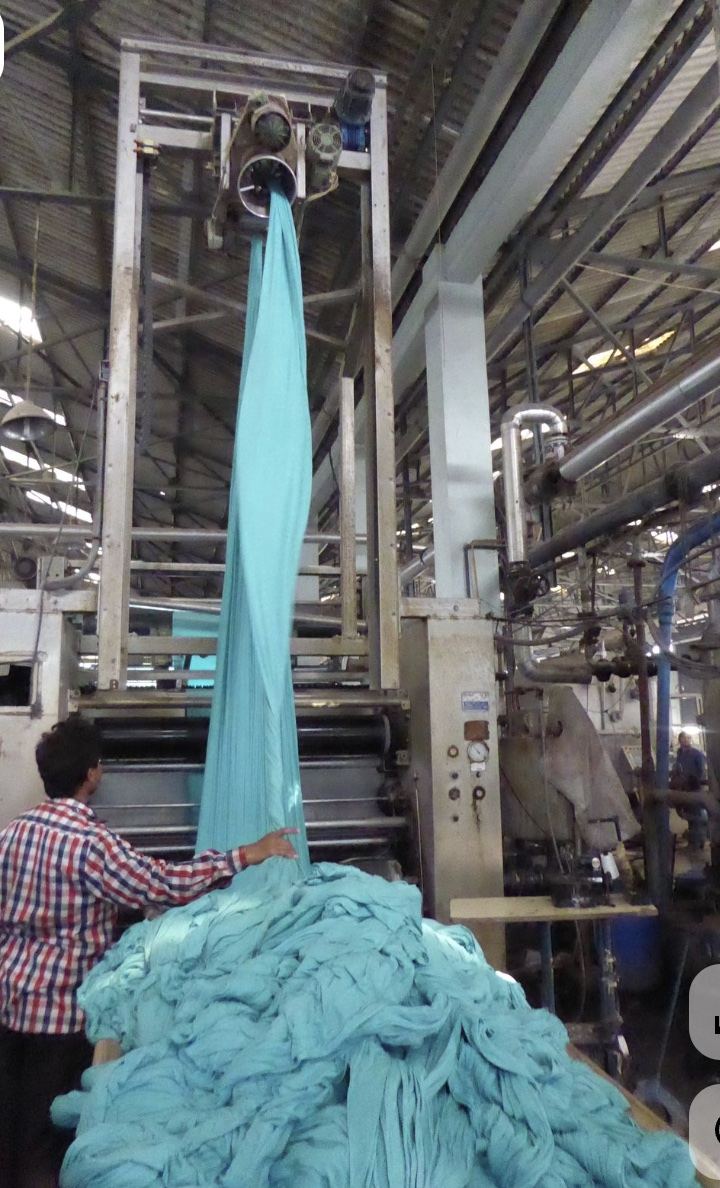
Textile production is essentially a chain of heat processes. Yarn is sized with heated starch solutions; fabric is desized, scoured and bleached in hot liquor; dye vats must hold temperature within a degree or two for shade consistency; and finished cloth passes through steam-heated drying cylinders, stenters and calenders. Garment factories add banks of steam ironing and pressing stations. When steam pressure wavers, dye lots come out mismatched — which is why textile engineers treat boiler stability as a quality parameter, not just a utility.
Dyeing and finishing mills are heavy, continuous steam users, commonly 6–35 t/h around the clock. That duty profile is exactly what chain-grate SZL series boilers were built for: steady base load, tolerant of fuel variation, with efficiency preserved by economizers and dust control handled by multi-stage cleanup. Where mills sit near rice-growing regions, husk-fired biomass versions of the same boiler are a proven way to cut fuel spend by half or more against oil.
Smaller garment and washing plants, or mills inside urban industrial estates with gas service, are better matched to packaged WNS gas-fired units — compact, clean, and quick to modulate across the stop-start demand of pressing lines and batch washers.